Franz Antel
Directing
Born June 28, 1913 · Vienna, Austria
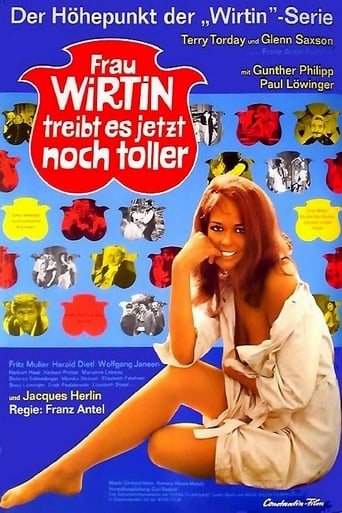
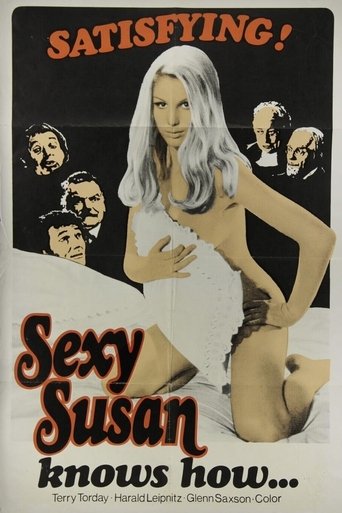
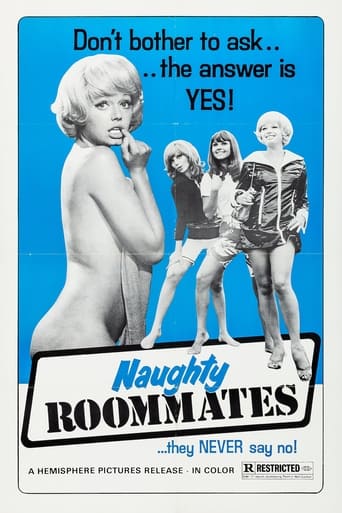
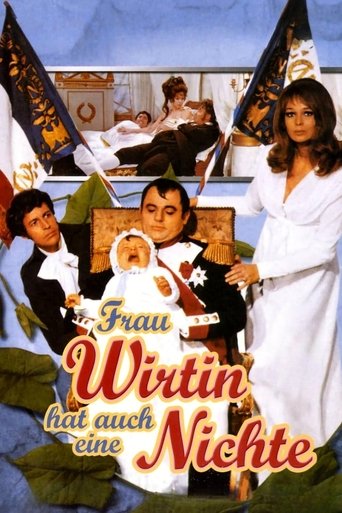
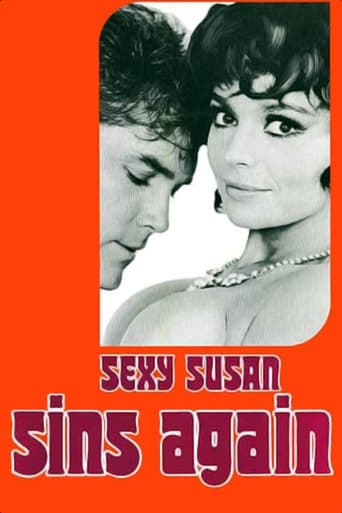
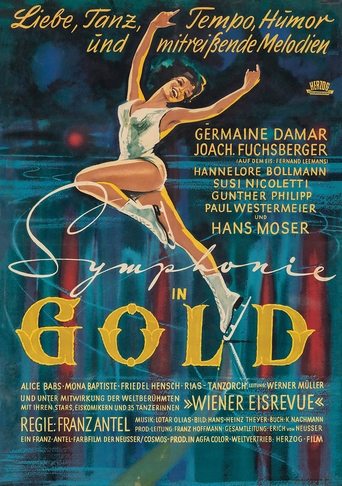
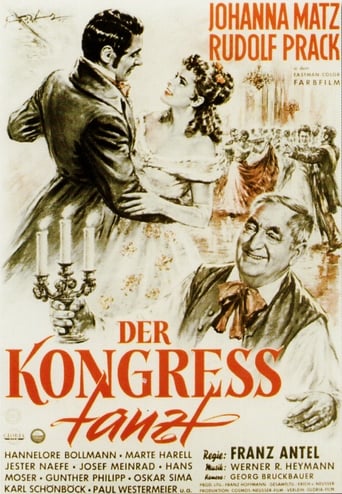
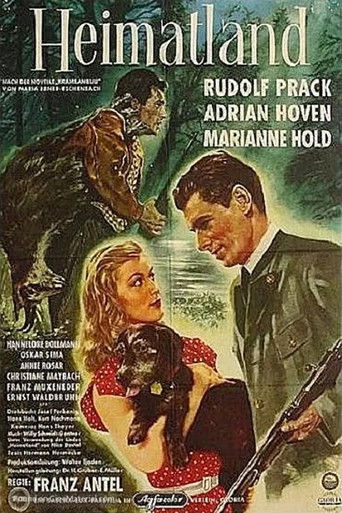
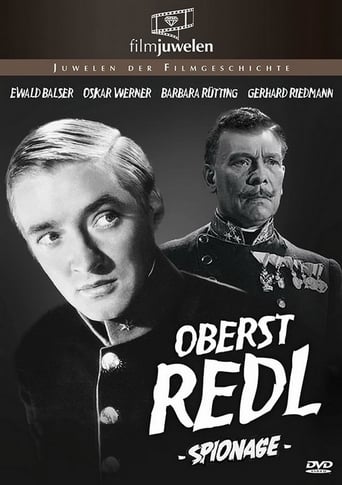
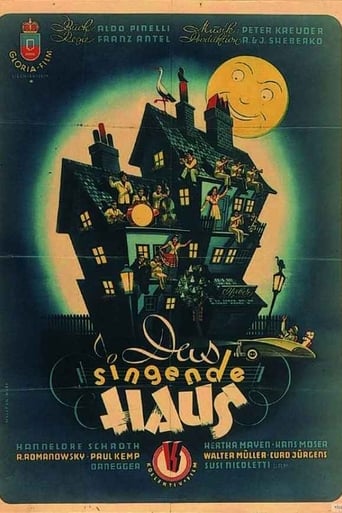
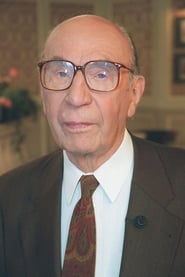
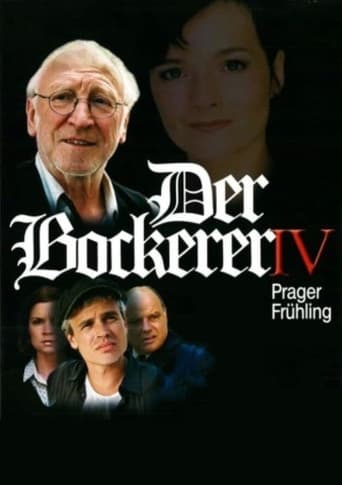
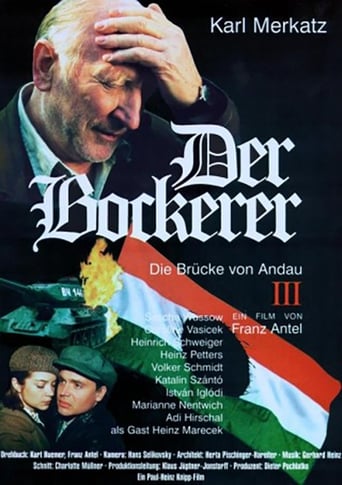
From Wikipedia, the free encyclopedia. Franz Antel (June 28, 1913 – August 11, 2007) was a veteran Austrian filmmaker. Born in Vienna, Antel worked mainly as a film producer in the interwar years. After World War II, he began writing and directing films on a large scale. In the late 1940s, 1950s and 1960s these were mainly comedies (romantic, slapstick, and/or musical) and K.u.k. films all of which, for Austrian and German TV stations alike, have been a staple of weekend afternoon programming ever since. In between there is quite a sober film about the Oberst (Colonel) Redl affair that shook the Austro-Hungarian Monarchy on the eve of World War I. From the late 1960s, encouraged by the new opportunities in the film industry brought about by the sexual revolution, Antel gradually switched his main interest to soft porn and ribaldry. It was in particular his series of Wirtin ("hostess") films, directed under the pseudonym François Legrand, with which he tried to win international recognition. Titles included The Sweet Sins of Sexy Susan (1967), Sexy Susan Sins Again (1969), Wild, Willing & Sexy (1969) and Don't Tell Daddy (aka Naughty Nymphs in the U.S.A.) (1972). Among the actors Antel worked with were Hans Moser, Paul Hörbiger, Oskar Werner, Curd Jürgens, Tony Curtis, Herbert Fux, Heinrich Schweiger, Arthur Kennedy, Carroll Baker, Edwige Fenech, George Hilton, Marisa Berenson, Britt Ekland, Andréa Ferréol. 1981 was a turning point in Antel's career when he adapted for the big screen a stage play by Ulrich Becher and Peter Preses. Set from the days of the Anschluss of 1938 until after the end of the war, Der Bockerer is about a Viennese butcher named Karl Bockerer (Karl Merkatz) whose common sense rather than intellect tells him to oppose the Nazis and who dares to show resistance just because he is never fully aware of the possible fateful consequences of his actions. While Bockerer and his wife survive the war unscathed, their son joins the SA but, after some internal intrigue, is sent to the front and killed. Der Bockerer IV The film's strong anti-fascist message, the moving dialogue, and performances by the crème de la crème of Austrian actors and actresses (Ida Krottendorf, Alfred Böhm, Heinz Marecek, Hans Holt, Dolores Schmidinger and many more) made Der Bockerer an unusually successful film and gave new impetus to Antel's career. He made three sequels, which follow the lives of the Bockerers well into the 1960s, each depicting a crucial historical event in Austria or one of its neighbouring countries: Der Bockerer II (1996) is about the ten-year occupation (1945-1955) of Austria by the allied powers; Der Bockerer III — Die Brücke von Andau (2000) is set at the time of the Hungarian Revolution of 1956; and, finally, Der Bockerer IV — Der Prager Frühling (2003) deals with Dubček's Prague Spring of 1968. Antel would recount an anecdote about himself describing how, in order to live up to his reputation as a womanizer, he used to carry a pair of high heels in his luggage which he then would occasionally place in the corridor in front of his hotel room – especially when he was travelling alone. Description above from the Wikipedia article Franz Antel, licensed under CC-BY-SA, full list of contributors on Wikipedia.
Directed (87)
Der Bockerer IV - Prager Frühling
2003
Der Bockerer III - Die Brücke von Andau
2000
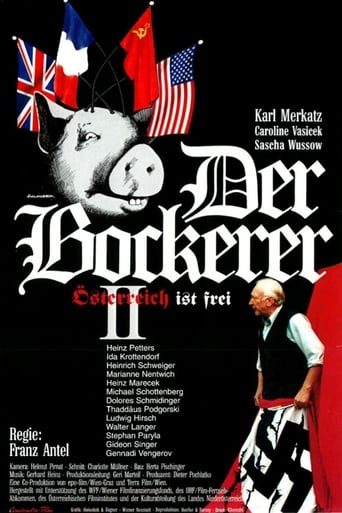
Der Bockerer II - Österreich ist frei
1996
Mein Freund, der Lipizzaner
1994
Die Zwillingsschwestern aus Tirol
1992
Die Kaffeehaus-Clique
1990
In der Trafik: Der Brief nach Brüssel
1989
In der Trafik: Das Feuerzeug
1989
In der Trafik: Geld oder Leben
1989
Die Lacher Macher
1988
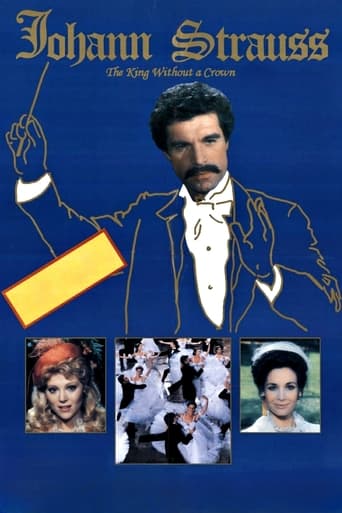
Johann Strauss: The King Without a Crown
1987
Sie war keine Lady
1985
Ohne Ball und ohne Netz
1982
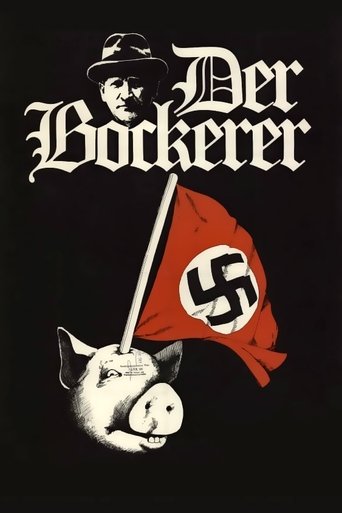
The Butcher
1981
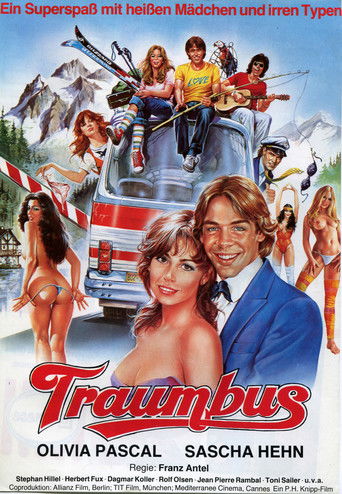
Austern mit Senf
1979
Love-Hotel in Tirol
1978
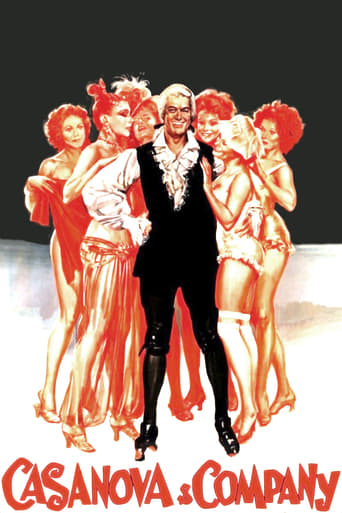
Casanova & Co.
1977
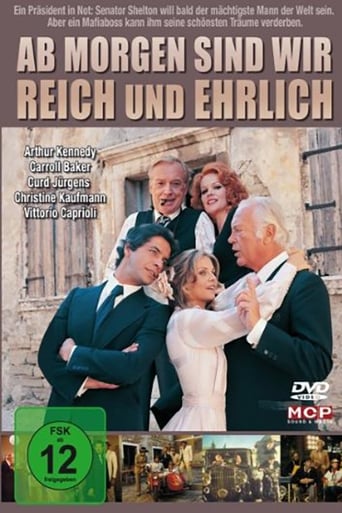
Blackmail Chase
1976
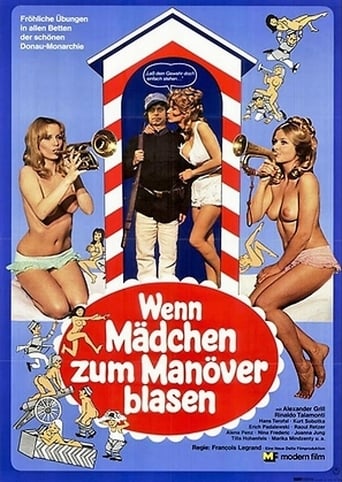
When Girls Trumpet for Manoeuvres
1975

Trinity Plus the Clown and a Guitar
1975
Die gelbe Nachtigall
1975
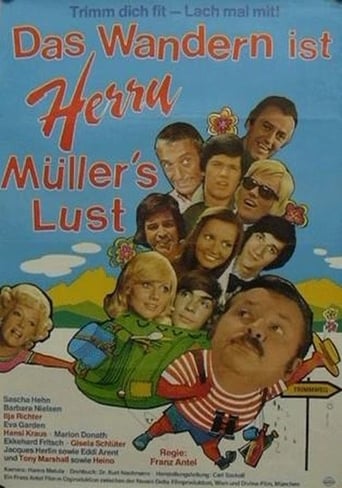
Das Wandern ist Herrn Müllers Lust
1973
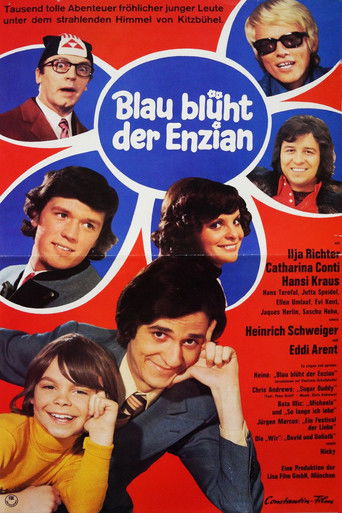
Blau blüht der Enzian
1973
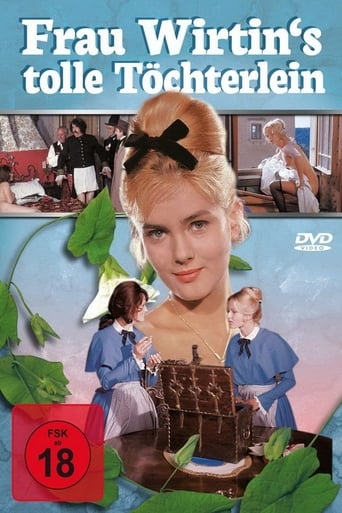
The Countess Died of Laughter
1973

Naughty Nymphs
1972
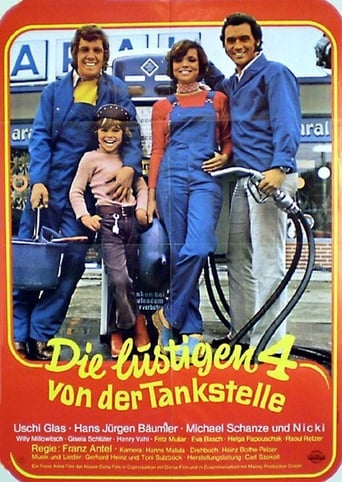
Die lustigen Vier von der Tankstelle
1972

Sie nannten ihn Krambambuli
1972
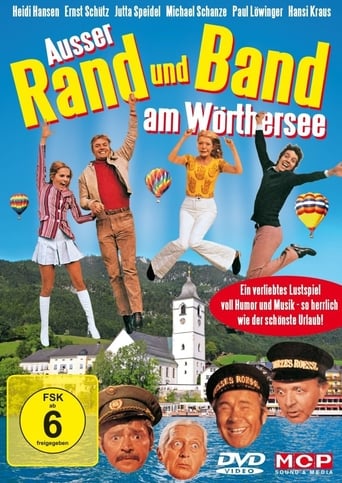
Ausser Rand und Band am Wolfgangsee
1972

Einer spinnt immer
1971